


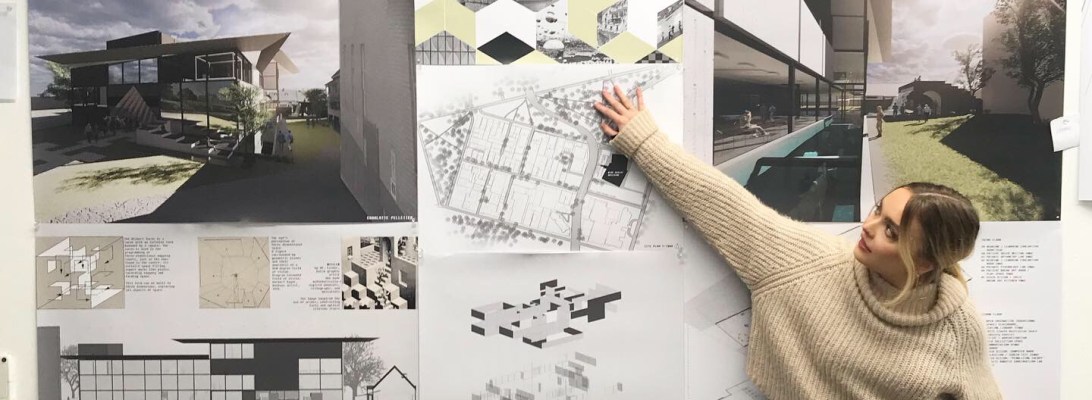
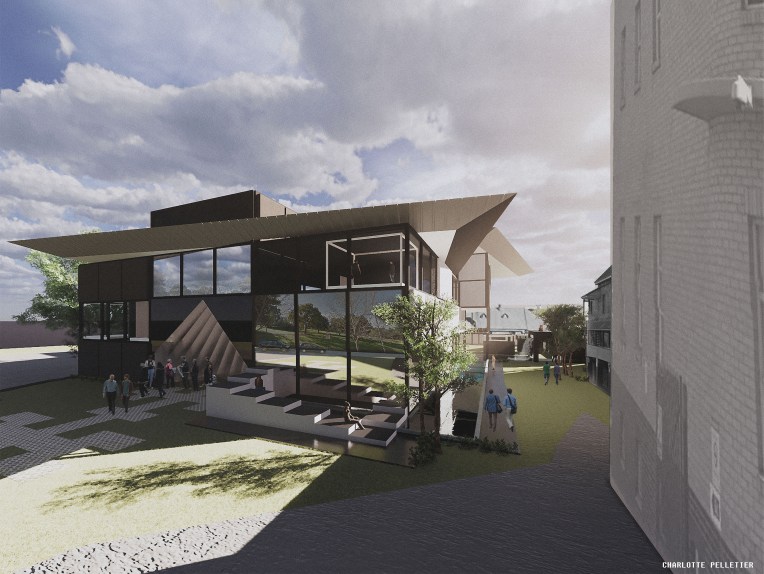
Bini Oculus, is a cross dimensional research centre investigating the human’s binocular vision in order to improve health and wellbeing, and leading further development in “seeing” what is beyond our planet.
With collaborative thinking about dimensionality, bio medical engineers, gaming designers, optometrists, photographers or psychologists work together in understanding how we view the world in dimensions and how this investigated vision can aid certain visual impediments and further space research.
Currently the centre offers space for an overseas company Vivid Vision, working to improve visual impediments by designing and treating patients with an at home, or in clinic interactive binocular vision virtual reality headset.
It also houses local space agency members from the SASIC South Australian Space Industry Centre. Designing and programming roaming robots used on our planet and out of space, 3D scanning its surrounding, gathering data and creating three-dimensional maps.
Japanese guest artist Yayoi Kusama, residing with two members from Vivid Vision, in the original Allen Campbell building internally turned minimal and calculated as part of the Bini Oculus Building. Kusama work is inspired by her lack of feeling in control throughout her life made, either consciously or subconsciously, where her infinite mirror rooms control how others perceive time and space when entering her exhibits.
The buildings core follows the form of a space filling curve called the Hilbert Curve. This curve is an infinite form bounded by a square. The curve is used in the programming of three-dimensional mapping robots, just as the ones found in the centre. Its infinite space filling aspect works like pixels, recording imagery and forming space.
The panelling on the exterior is inspired by artist MC Escher’s optical cubes, made up of black, white and grey faces. Playing with mirror, effects of infinity is scattered throughout the building.


Site Analysis


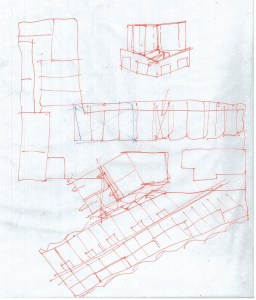
Sketch Design


Design Process and Research
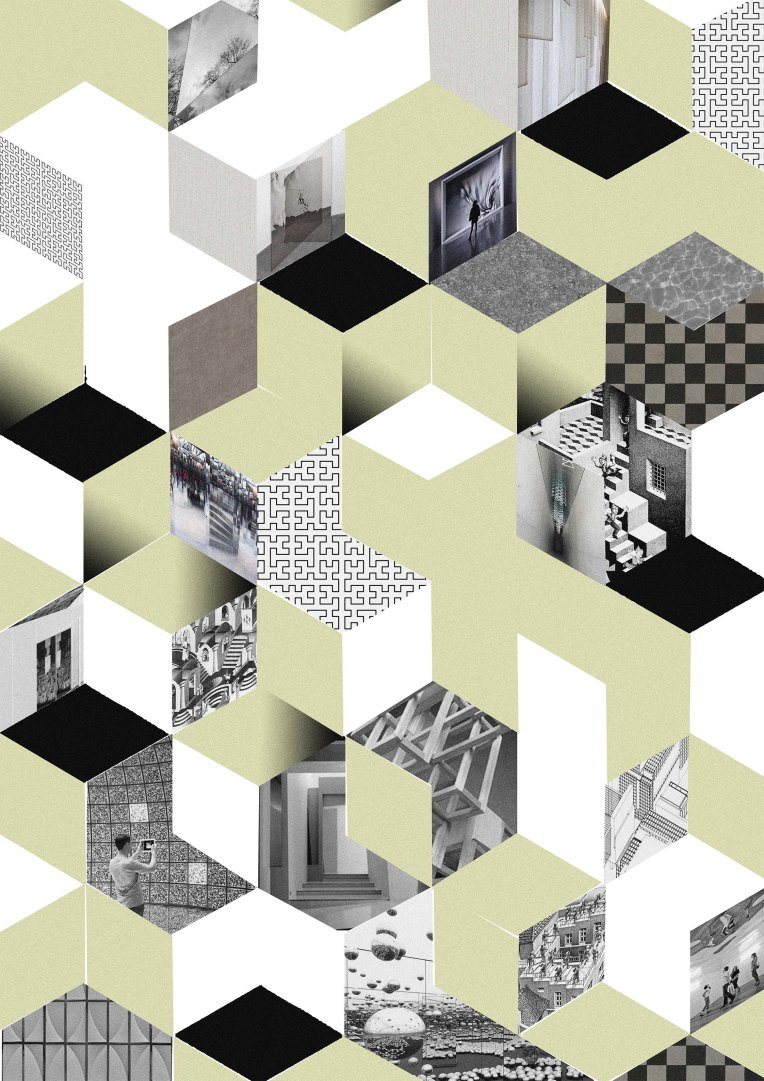
Moodboard
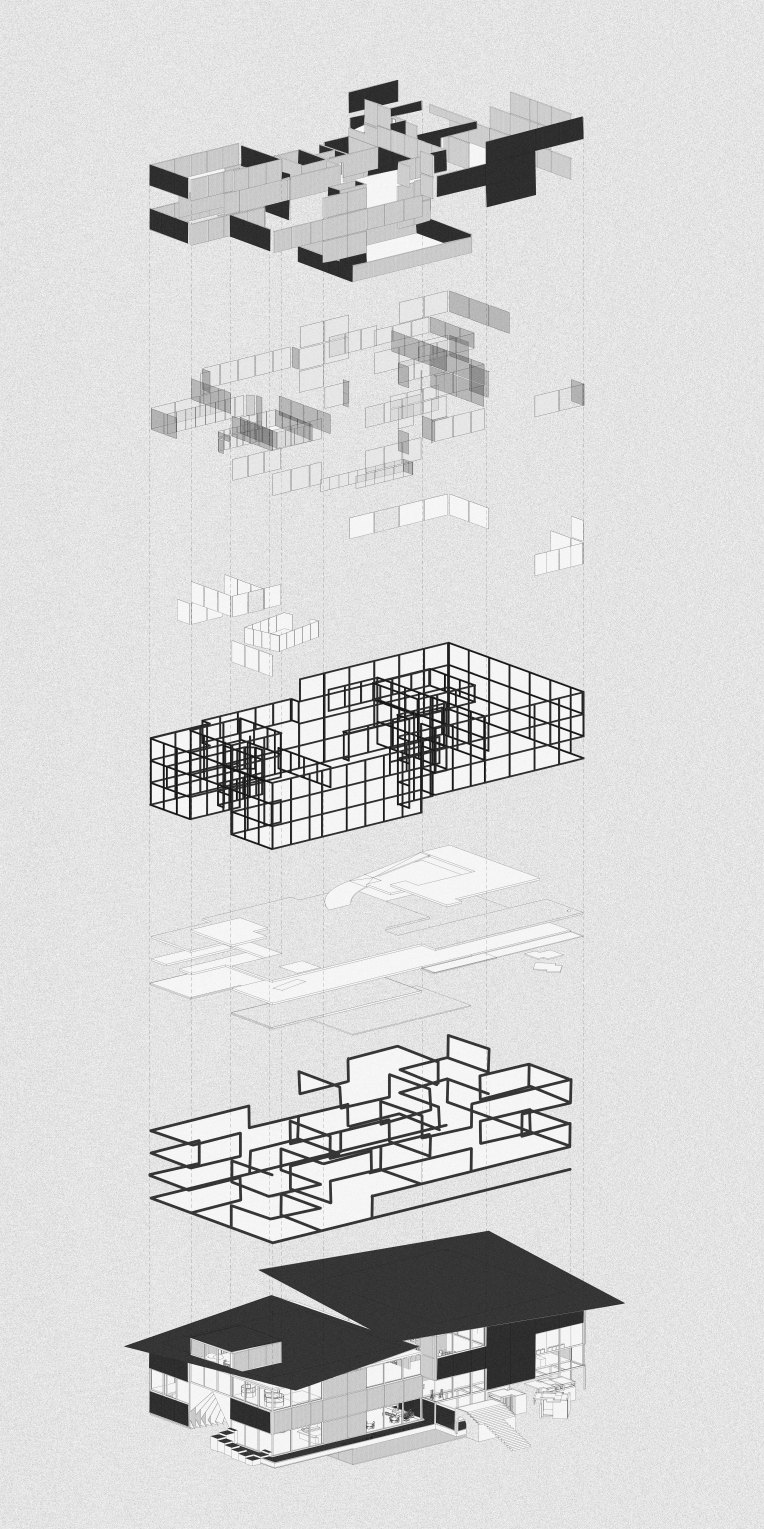


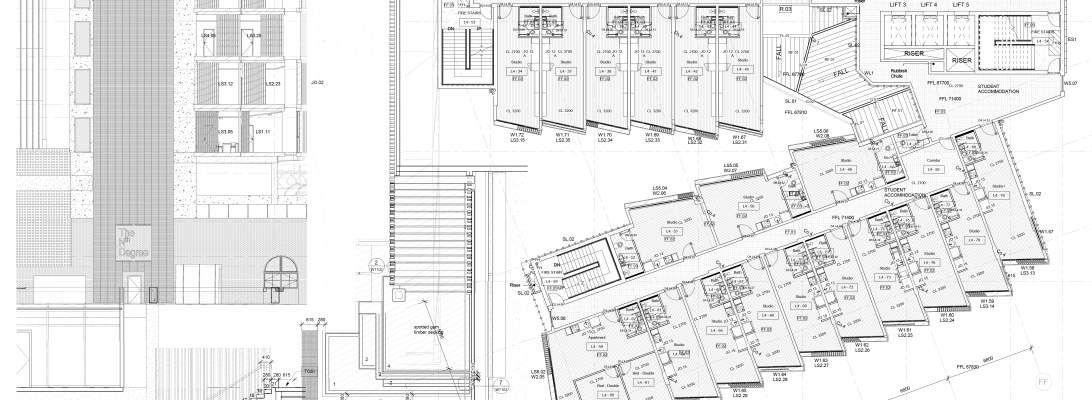
Architectural Design Studio 8 Documentation was organized to allow us to develop a series of skills relevant to the design and part documentation of a large scale urban building, conducted in a team/office environment.


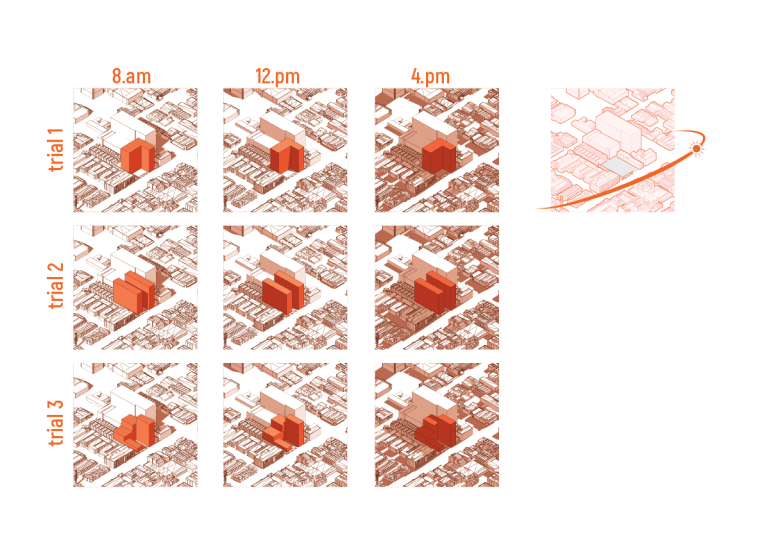
The Nth Degree is an exploration into how we can maximise
ventilation and access to natural light in small living situations.
LLD believes that the future of city living and accommodation is
a more user controlled experience, especially given the context
of student accommodation and a business hotel. These are two
places where people have left their everyday home to come and
improve their life to some extent, and to work toward their future.
Many students often complain of not being able to breathe
properly in both the physical sense and in an emotional sense,
and LLD has aimed to create a living and studying situation in
which they can breathe again.



Existing Building
Full set of drawings (89 pages): Halifax + Symonds Drawing Set


Having analysed some multi-generational, co-living homes in my typology review, I found many of these homes had more than just one or two shared living spaces and living together in this way enabled increased communication between the families.
I chose the chair as a metaphor for human interaction that takes place in a supported and deliberate manner. By observing and engaging in close interaction through conversation and connection with another, I redesigned the chair by following the form of the of posture of the human body when actively engaged in conversation. I created an angled base, a forward leaning back and a single armrest that was created using the superfluous area of the back rest.
Time is also an important aspect of interaction and connection. Time is represented by age and generations of humans who engage in the process of communication. There is a meaningful and lengthy interaction between different generations that is represented through the form of the chair and through the visibly worn parts of the seat and the armrest. This communicates how relationships work, how wisdom is passed on through the generations and represents the support that exists within families. Just like the chair, this engagement is not always comfortable but it’s components are important in developing an ongoing inter-generational process of purposeful connection. This chair which is a metaphor for human interaction is a piece of furniture that supports and encourages it role through its function.


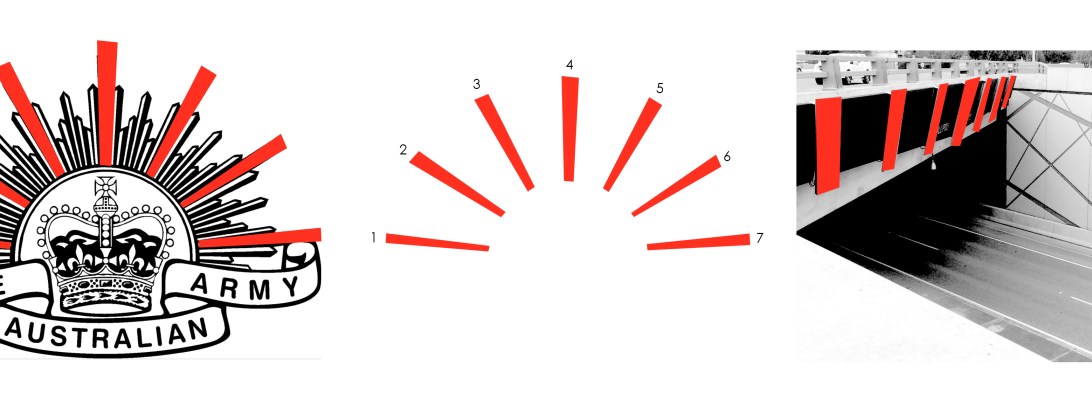
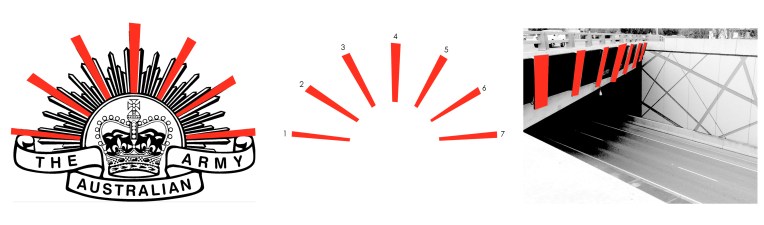
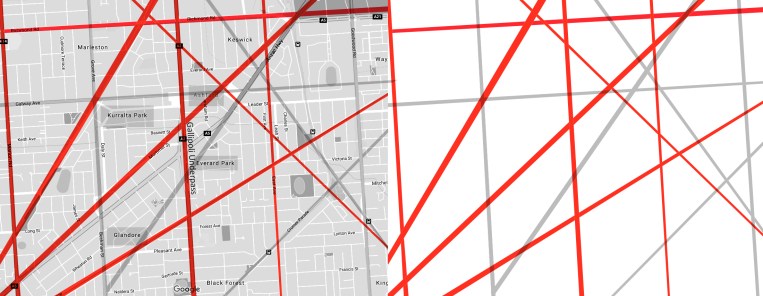
Post- structuralism is a theory that was born in the 1960s, becoming a movement
against structuralism and believed absolute truths and facts of the world. The movement
began in France and attempts to problematize and challenge many of the assumptions
made about architecture. In contrast to structuralism this theory maintains that
meaning is never fixed and is subject to deferrals and change depending on the person
who is viewing the built form. Observation is made through the signifier and signified.
The “signifier” is defined as the material or language of the sign as a physical presence.
The “signified” is that which is the absence, the conceptual half of the sign.
Contemporary memorials now conceptualise their design and the symbols of
remembrance are abstract and to be interpreted in a deeper, somewhat hidden sense.
Memorial architecture allows the public to mourn and/ or pay tribute to past soldiers
who sacrificed their lives for their country and for the quality of lives today. A memorial
is the historical memory in a physical form. It presents as an urban space for us to
experience and walk through, creating individual meanings, connections and emotions
to those who visit the space. It relates to and conveys messages about society, politics,
the nation, history, culture and art. This idea of an individual’s perception of a space and
emotional connections is the major theory behind post- structural architecture. The
fundamental idea is of a building, site or urban space that is perceived through the
absence and presence of objects and forms. This paper will observe, interpret and
discuss the meanings of the present and absent forms found at the Gallipoli Underpass
on ANZAC Highway, Adelaide that is a practical structural memorial designed in tribute
to the Australians who died in WWI during the Gallipoli campaign.
Read the full article: The Gallipoli Underpass and Post-Structuralism
 Charlotte Pelletier