

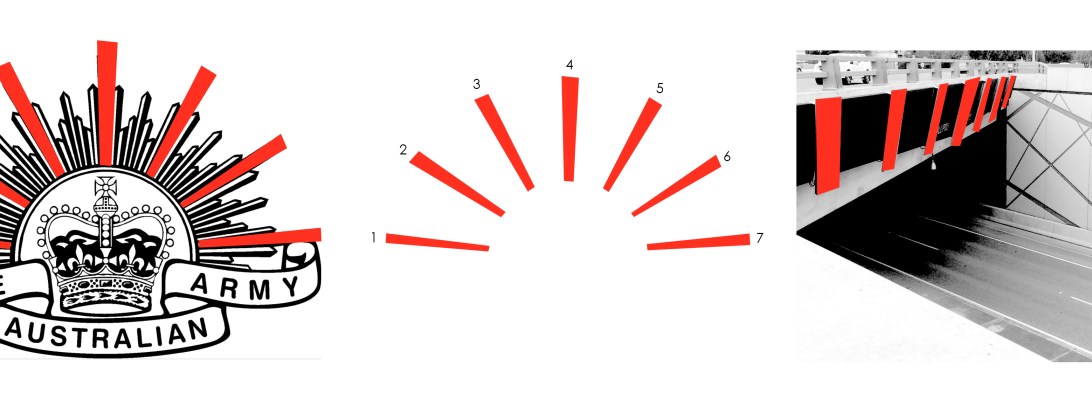
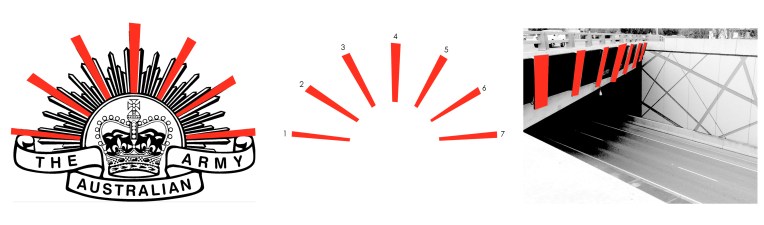
How can the Gallipoli Underpass on ANZAC Highway demonstrate post-structuralism in order to understand its application of meaning-making in memorial architecture today through its use of presence and absence?
Post- structuralism is a theory that was born in the 1960s, becoming a movement
against structuralism and believed absolute truths and facts of the world. The movement
began in France and attempts to problematize and challenge many of the assumptions
made about architecture. In contrast to structuralism this theory maintains that
meaning is never fixed and is subject to deferrals and change depending on the person
who is viewing the built form. Observation is made through the signifier and signified.
The “signifier” is defined as the material or language of the sign as a physical presence.
The “signified” is that which is the absence, the conceptual half of the sign.
Contemporary memorials now conceptualise their design and the symbols of
remembrance are abstract and to be interpreted in a deeper, somewhat hidden sense.
Memorial architecture allows the public to mourn and/ or pay tribute to past soldiers
who sacrificed their lives for their country and for the quality of lives today. A memorial
is the historical memory in a physical form. It presents as an urban space for us to
experience and walk through, creating individual meanings, connections and emotions
to those who visit the space. It relates to and conveys messages about society, politics,
the nation, history, culture and art. This idea of an individual’s perception of a space and
emotional connections is the major theory behind post- structural architecture. The
fundamental idea is of a building, site or urban space that is perceived through the
absence and presence of objects and forms. This paper will observe, interpret and
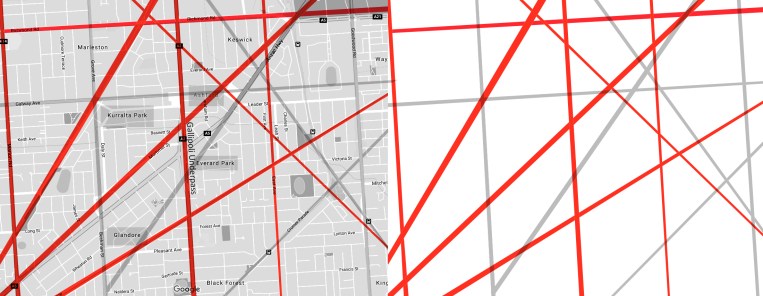
discuss the meanings of the present and absent forms found at the Gallipoli Underpass
on ANZAC Highway, Adelaide that is a practical structural memorial designed in tribute
to the Australians who died in WWI during the Gallipoli campaign.
Read the full article: The Gallipoli Underpass and Post-Structuralism
 Charlotte Pelletier